

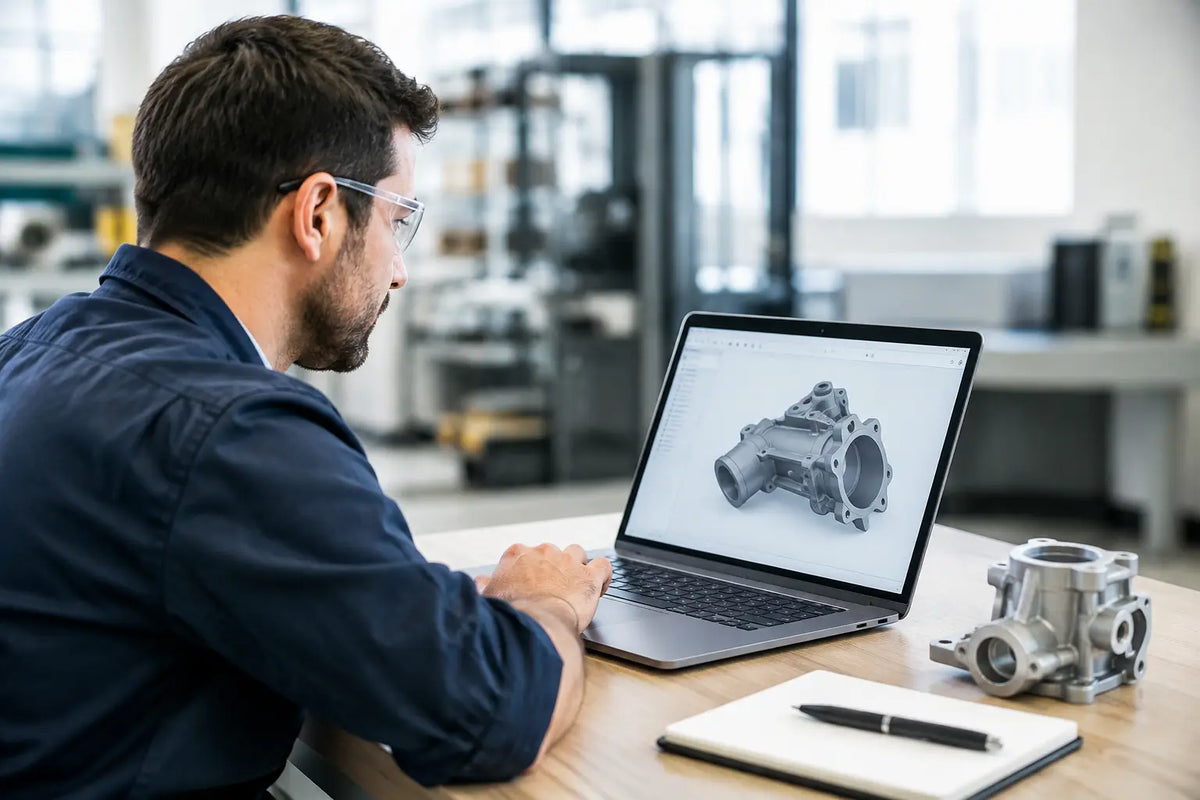
A product concept is not production-ready because it looks good in a render. It becomes commercially viable when materials, construction, packaging, pricing, and replenishment can perform under real order conditions. Custom manufacturing designs give brands the ability to control those decisions before they become expensive inventory problems.
For private-label brands, retailers, and procurement teams, customization should not mean starting from zero. The objective is to create a product that is distinct enough to earn margin and customer attention, while remaining practical for a factory to produce consistently. That balance determines whether a custom program moves quickly or gets stalled in revisions, missed delivery windows, and unexpected costs.
Why Custom Manufacturing Designs Need an Operating Plan
Customization is often treated as a creative exercise. In manufacturing, it is an operating decision. A new colorway, a custom mold, an alternate fabric, branded hardware, or a revised package can each change minimum order quantities, unit cost, tooling needs, lead times, quality checkpoints, and shipping requirements.
The strongest custom manufacturing designs begin with a clear commercial brief. Before requesting quotes, define the target customer, sales channel, retail price, target landed cost, initial order quantity, and expected reorder cadence. A product built for a boutique launch has different requirements than one designed for a national retail account or a high-volume e-commerce program.
A practical brief also separates non-negotiables from preferences. If a specific performance fabric, food-safe material, or durability standard is central to the product promise, state that early. If a particular finish or trim can change based on available components and pricing, make room for options. This prevents suppliers from quoting to assumptions that do not match your business case.
Turn the Product Idea Into a Factory-Ready Specification
Factories can manufacture to a specification. They cannot reliably manufacture to a vague reference image, a mood board, or the instruction to make something "premium." The more clearly a buyer communicates requirements, the faster a supplier can assess feasibility and quote accurately.
Build a brief that answers production questions
Your product package should identify dimensions, materials, colors, construction details, branding placements, packaging requirements, and quality expectations. For apparel, this may include a tech pack, size grading, stitch requirements, fabric composition, and wash testing. For furniture or home goods, it may include drawings, finish standards, weight capacity, assembly details, and carton specifications.
Include reference samples whenever possible, but explain what the sample is meant to show. One sample may demonstrate silhouette, another material feel, and another packaging direction. Suppliers need to know which attributes must be matched and which are simply inspiration.
Commercial inputs matter just as much. State your initial quantity, annual volume estimate, target delivery date, destination, and desired Incoterm if known. A supplier that can make the product may not be the right supplier for your volume, timeline, or logistics model.
Design for repeatability, not just appearance
A visually distinctive detail can create a costly production risk if it requires unusual tooling, highly manual assembly, or components with unstable availability. This does not mean avoiding customization. It means asking the right question: can this detail be repeated at the required quality level across the entire order and future reorders?
Simplifying a design can improve margin without making the product generic. A standard base product with custom dimensions, branded labels, exclusive colors, upgraded materials, or tailored packaging may deliver more commercial value than a fully custom build that requires high MOQs and long development cycles.
Prototype Early and Make Decisions With Samples
A sample is not a formality. It is the moment where a product brief meets factory capability. Use the sampling process to validate measurements, material performance, color, construction, packaging, and perceived quality before committing to bulk production.
Expect at least one revision for most custom projects. The key is to make revisions disciplined. Consolidate feedback from product, merchandising, operations, and quality teams into one documented response. Conflicting feedback from multiple stakeholders creates delays and introduces version-control problems.
When reviewing a sample, assess it against the agreed specification, not against an evolving wish list. If the product needs a new feature after the first sample, recognize that it may affect tooling, cost, and delivery timing. Clear change control protects both the buyer and the manufacturer.
For products with safety, durability, or regulatory requirements, identify testing needs before bulk production. It is far less expensive to revise a sample than to discover a compliance or performance issue after goods are finished.
Select Manufacturers Based on Fit, Not Just Price
The lowest quoted unit price can be misleading. A quote may exclude packaging, tooling, testing, freight preparation, or the production controls needed to maintain quality. It may also rely on a large production run that forces more inventory than your business can sell efficiently.
Evaluate a manufacturing partner on its category experience, available machinery, material sourcing network, sample quality, communication speed, capacity, and willingness to document requirements. Ask how the factory handles quality inspections, production changes, defective units, and delivery issues. Those answers are more valuable than a polished capability deck.
Nearshore sourcing can improve this evaluation process because communication happens in aligned time zones and factory collaboration is more accessible. For U.S. buyers, manufacturing in Mexico and Latin America can reduce the lag between feedback, sample revisions, production decisions, and replenishment orders.
FastLane helps buyers compare vetted regional suppliers and move from product discovery to direct quote requests in one sourcing environment. That matters when custom programs require quick answers, bilingual coordination, and clearer accountability across the order lifecycle.
Price the Whole Program, Not Only the Unit
A custom product should be evaluated by landed margin, cash exposure, and replenishment speed. Unit cost is only one part of the decision. Tooling, sample development, packaging, testing, inbound freight, duties, warehousing, and inventory carrying costs can materially change the economics.
Lower MOQs often provide a better starting point for a new design, even if the unit price is somewhat higher. They allow brands to test demand, protect working capital, and refine the product before scaling. A larger offshore order may offer a lower factory price but create more markdown risk if sales are slower than forecast.
Ask suppliers to quote options. For example, compare a standard component against a custom component, or evaluate two order quantities with corresponding lead times. Option-based quoting gives buyers a clearer view of where design choices affect cost and where they do not.
Protect Quality Before Bulk Production Starts
The transition from approved sample to bulk production is where many sourcing problems begin. A pre-production sample or approved golden sample gives both sides a physical reference for color, construction, fit, finish, and packaging. Pair it with written tolerances and an inspection plan.
Define what is critical, major, and minor before goods are made. A missing label, unstable seam, damaged finish, or incorrect material may be unacceptable. Slight variation in a handcrafted texture may be acceptable if it is inherent to the product. Quality standards should reflect the product category and customer expectation, not a generic checklist.
Confirm production milestones as well: material approval, production start, in-line inspection, final inspection, carton marking, and shipment release. Visibility at these points gives buyers time to address issues before they become a late delivery or a costly return claim.
Know When Full Customization Is Not the Right Move
Full custom development is not always the fastest route to market. If demand is unproven, use a proven factory platform and customize the elements customers will actually notice: branding, color, packaging, finish, or product bundles. This approach can shorten development, lower MOQs, and produce useful sales data.
Reserve tooling-heavy or highly specialized designs for products with validated demand, meaningful differentiation, and a realistic volume plan. The right level of customization depends on category, sales velocity, price point, and the cost of being wrong.
The best manufacturing design is not the one with the most features. It is the one your supplier can build consistently, your team can replenish confidently, and your customers will keep buying after the first order.


